
There are victories that begin long before a vote.
They begin in whispers. They begin with mothers who know something is wrong but fear speaking. They begin with midwives who refuse to continue harm. They begin with daughters who survive pain no child should know. They begin with communities brave enough to ask whether a tradition protects life or wounds it.
This week, Colombia became the first Latin American country to approve nationwide legislation prohibiting female genital mutilation. The bill, known by the slogan “Girls without mutilation,” is now awaiting presidential approval.
The story matters far beyond Colombia.
It asks a question every society must face: how do communities protect children when harmful practices are defended by silence, fear, taboo or inherited belief?
The answer cannot be cruelty.
The answer cannot be cultural arrogance.
The answer cannot be pretending the harm does not exist.
The answer must be protection rooted in dignity.
A Law Built With the Women Most Affected
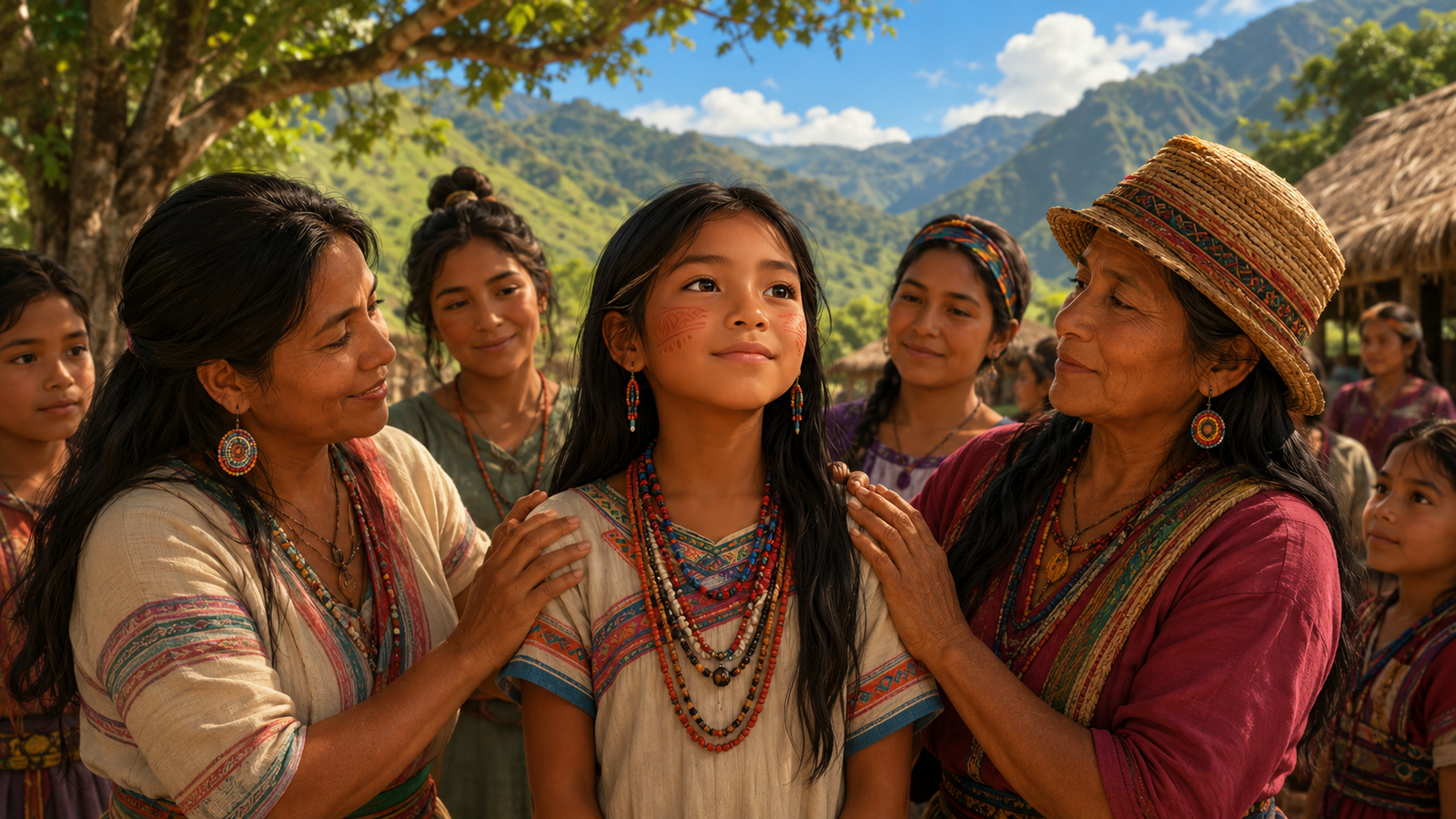
The Colombian case is powerful because Indigenous Embera women helped lead the fight. That matters.
Change imposed from outside often fails when communities feel attacked, humiliated or misunderstood. But change led by those who know the community, speak its language and carry its history has a different moral force.
Al Jazeera reported that the practice is recorded mostly in Embera communities in Choco and Risaralda. The report also noted that official numbers likely undercount the reality because secrecy, stigma and fear keep many cases hidden.
This is why the new law’s non-punitive approach matters.
The goal is not to drive families deeper underground. The goal is to create enough trust that girls can be protected, victims can receive care and communities can openly discuss what was once hidden.
Protection must be stronger than fear.
The Health of a Child Is Not Negotiable
Female genital mutilation is not a minor cultural difference.
It is a violation of the body. It can cause infection, chronic pain, urinary problems, sexual trauma, psychological harm and death. When performed on infants or young girls, it violates consent before a child even has the language to understand what was done.
Every culture has traditions that deserve respect.
No culture has the right to harm children.
That statement must be universal.
It should apply everywhere: in Colombia, in Africa, in Asia, in Europe, in the Americas and in every community where silence protects suffering.
The Solutions Must Reach the Last Village
The first solution is community-led education.
The women already doing the work should be funded, protected and supported. Workshops must be delivered in local languages, with respect for community leadership and clear information about health consequences.
The second solution is training for healthcare workers.
Doctors, nurses, midwives and community health workers should be trained to recognize signs of female genital mutilation, treat complications and respond without shaming families away from care.
The third solution is safe reporting.
Families and victims must be able to seek medical help without automatically fearing that children will be taken away or parents imprisoned. Accountability matters, but emergency care must come first.
The fourth solution is better data.
If a country cannot count the harm, it cannot end the harm. Colombia should build a coordinated tracking system across health, child welfare, education and Indigenous community institutions.
The fifth solution is transportation funding.
Remote communities cannot be reached with speeches from the capital. If villages are hours away by foot, mule or boat, then public policy must pay for travel, translators, health brigades and ongoing visits.
The sixth solution is survivor care.
Girls and women affected by the practice need medical treatment, counseling, long-term support and a public message that they are not damaged, blamed or forgotten.
The seventh solution is respectful cultural renewal.
Communities should be supported in creating alternative rites of passage that honor identity without harming the body. The purpose of tradition should be belonging, not injury.
A Universal Lesson
Every society has something it once accepted and later had to confront.
Some harms survive because they are called tradition.
Some survive because they are profitable.
Some survive because they happen behind closed doors.
Some survive because the victims are too young, poor, isolated or afraid to be heard.
The Colombian women fighting female genital mutilation are showing the world another path.
A law can open the door.
But healing walks through it slowly.
The true victory will come when the last girl in the most remote village is safe, when her family knows protection is not betrayal, and when culture is strong enough to release what causes pain.
That is not the death of tradition.
That is tradition learning how to protect life.
Reader Discussion
Add your perspective
Comments are open to Reader Briefing subscribers. Enter your subscriber email, request a 6-digit code, then post your comment.